Italy, the home of centuries-old culinary traditions, does not take its cheese lightly. While the casual cheese lover might toss a few pre-cut slices onto a plate and call it a day, in Italy, that’s the culinary equivalent of showing up to a black-tie event in sweatpants.
If you’re thinking about serving a cheese board to Italians (or while in Italy), there are some unspoken rules to follow—and food crimes to avoid. Let’s dive into the Lessons in Formaggio and learn how to respect the ancient art of cheese service.
Lesson 1: Thou Shalt Not Pre-Cut the Cheese
The first, and perhaps most important rule of Italian cheese etiquette: never pre-cut the cheese. You might think you’re being considerate, slicing everything in advance to make it easier for your guests. But in Italy, pre-cutting cheese is like pre-wrapping a present and then opening it for the recipient. The joy is in the experience, and in this case, the experience involves slicing your own piece, feeling the texture, and savoring the moment.
Cheese in Italy is often served in larger pieces, allowing each person to cut their own portion. Not only does this preserve the integrity and freshness of the cheese, but it also gives guests the opportunity to control their own portions. More importantly, freshly cut cheese has more flavor. If you slice it too early, you’re leaving it out to dry—literally.
So, skip the pre-cut slices and offer a good cheese knife alongside your wedges. Let your guests embark on their own personal cheese-cutting adventure.
Lesson 2: Cold Cheese is a Cold Crime
Imagine this: you’ve prepared a selection of beautiful Italian cheeses, and out they come, straight from the fridge, cold enough to frost a window. While that might fly in some places, in Italy, it’s practically a criminal offense. Italians know that cheese, especially their beloved varieties, must be served at room temperature to fully express its flavors and textures.
Cold cheese is muted, lifeless. A wedge of Parmigiano Reggiano straight from the fridge might as well be a chunk of drywall for all the flavor it’s going to deliver. To truly appreciate the rich, nutty profile of an aged cheese, or the soft creaminess of a fresh one, you need to let it come to room temperature. This isn’t just a preference—it’s a culinary rule.
Before you serve your cheese board, take the cheese out of the fridge at least an hour in advance. Give it time to breathe and soften. Room temperature is the sweet spot where cheese reveals its true character.
Lesson 3: Bread, Not Biscuits Must Flow
Serving cheese without bread in Italy is like showing up to a concert without the band—it’s incomplete. Italians are purists when it comes to their cheese accompaniments, and rustic bread is the perfect partner. Crackers? Leave those at home. They’re a foreign concept in the Italian cheese world.
A good Italian cheese board is often accompanied by fresh, crusty bread—whether it’s a simple ciabatta or pane casareccio (country-style bread). The bread acts as a perfect base for soft cheeses like stracchino or gorgonzola, and it’s a gentle palate cleanser between bites of stronger varieties. It’s also a matter of tradition. Cheese and bread have been paired together in Italy for centuries, so skimping on bread is like rewriting a classic novel with all the good bits removed.
Lesson 4: Simplicity is Key
In Italy, cheese doesn’t need to be dressed up. In fact, doing so could land you in hot water with the locals. If you’re thinking about pairing your Taleggio with spicy mango chutney or sprinkling truffle oil on your mozzarella, stop. Italians believe in letting the cheese speak for itself. The cheese is the star of the show, and too many embellishments can distract from its natural flavors.
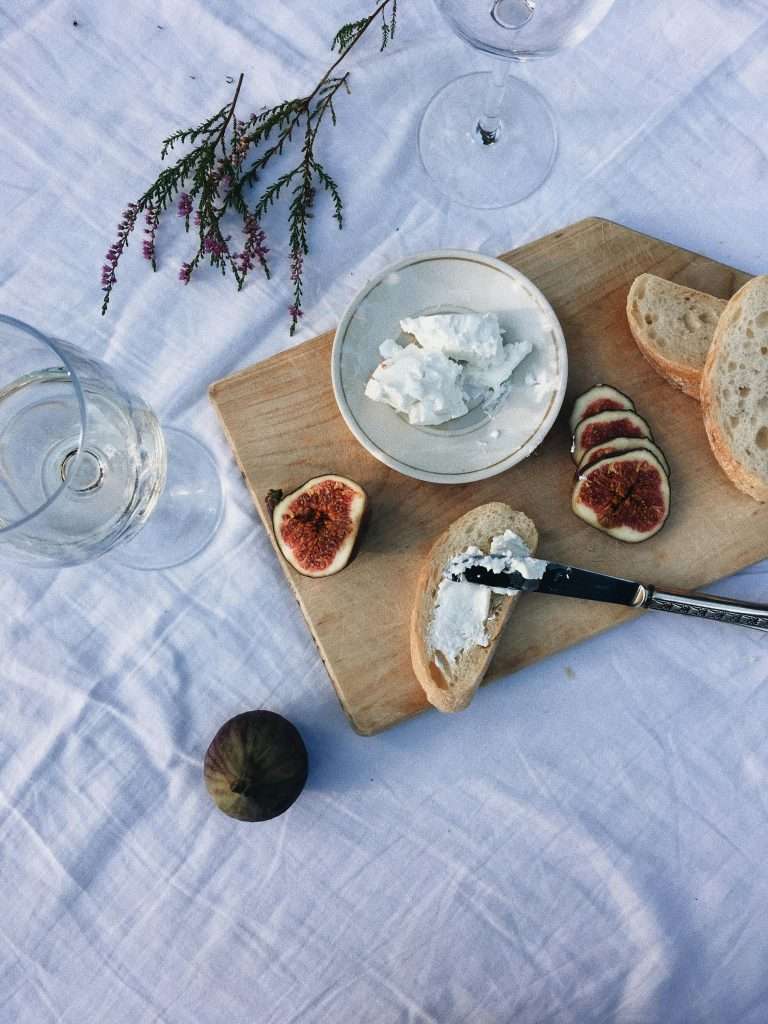
That’s not to say you can’t offer accompaniments—but keep it simple. A drizzle of honey with pecorino, a few figs or walnuts, maybe a slice of pear for a soft cheese—these are time-tested pairings that complement the cheese rather than overshadow it. You don’t need to reinvent the wheel with exotic jams or overly fancy crackers. When in doubt, go for less.
Remember, less is more. Let the cheese shine in its purest form.
Lesson 5: Follow the Order of Operations
One of the biggest mistakes you can make with a cheese board is diving straight into the strong stuff. In Italy, there’s an order to how cheese should be eaten, and it starts with the mildest flavors first. Just as you wouldn’t begin a wine tasting with a glass of Barolo, you shouldn’t kick off your cheese board experience with the pungent gorgonzola.
Start with the lighter, fresher cheeses like ricotta or mozzarella. These are delicate in flavor and should be savored without having your palate bulldozed by something stronger. Gradually work your way up to the more robust cheeses like Pecorino Romano or Parmigiano Reggiano. This allows your taste buds to appreciate the full range of flavors without being overwhelmed.
Skipping this order of operations could leave you and your guests missing out on the subtleties of the milder cheeses. So, let your tasting progress naturally—begin with the delicate and end with the bold.
Lesson 6: Beware the Wine Pairing Pitfalls
Wine and cheese may seem like a match made in heaven, but not all pairings are created equal. Italians know that a bad wine pairing can ruin the flavor of even the best cheese. For example, serving a tannic red with a soft, creamy cheese can overpower it completely. You want harmony, not competition, on your cheese board.
The best rule of thumb is to pair cheese with wine from the same region. A Piedmontese Gorgonzola pairs beautifully with a local Barolo, while a fresh buffalo mozzarella from Campania is a perfect match for a crisp white wine from the same region. If you’re not sure, just ask the experts at your local wine shop or—better yet—a sommelier in Italy. They take this stuff seriously.
If you’re throwing wine and cheese together haphazardly, you might as well be serving them on paper plates. Italians believe in doing it right, so take the time to pair thoughtfully.
Lesson 7: Don’t Overcrowd the Cheese Board
Finally, the “more is better” approach doesn’t fly in Italy. Sure, it’s tempting to offer every type of cheese under the sun, but too much variety can overwhelm your guests and confuse the palate. Instead of creating a chaotic spread, focus on quality over quantity.
Aim for 3 to 5 cheeses on your board, each with its own distinct character. A soft cheese, a hard cheese, and a blue cheese make a perfectly balanced trio. You can add a bit of variety within these categories, but there’s no need to pile on 10 different types of cheese. Less is often more.
A thoughtful selection of high-quality cheeses is far more impressive (and enjoyable) than an overflowing board of mediocrity. Let your guests focus on the flavors without feeling like they need a roadmap.
Avoid the Cheese Police—Do It Right
So, there you have it—your crash course in Italian cheese board etiquette. By following these lessons in formaggio, you can avoid the common pitfalls and elevate your cheese game to Italian standards impressing even the most discerning nonna.