Every Region Puts Its Heart on the Table—One Pasta at a Time
We love unearthing creative experiences across Italy. It’s highly likely this article contains links to products or services that we believe in from one of our affiliate partners – Viator. Mission accomplished if we’re paid for any link you click on. Read here.
Pasta is a fiercely protected culinary icon of Italy. Yes, that glorious creation made from simple ingredients—flour, water, the occasional egg, and a sprinkle of Italian magic often in the form of olive oil. We estimate there’s a staggering 300 to 350 varieties that vary by region, shape, and sauce, all with their own passionate history.
Pasta vs Noodles: A Tale as Old as Time
Pasta has been around for so long that its origins are still shrouded in mystery and conjecture. Some say it dates back to the 4th century BC, with Etruscans making what resembles pasta in tomb paintings. Others might tell you it was Marco Polo who brought noodles back from China after his travels in the late 13th century. Apparently that’s a myth, and Pasta is said to have already been popular in Italy long before Polo set sail.
The first written records of pasta in Italy date back to the 12th century. Describing it as a long, thin form of dough made from wheat flour and water. This simple concoction evolved over centuries into the myriad shapes we know and love today. The introduction of durum wheat in Sicily during the 9th century allowed for the creation of dried pasta, which could be stored for long periods—a game-changer for impoverished Italians.
As time went on, pasta became more than just sustenance; it transformed into an art form. The invention of the extrusion press during the Renaissance revolutionised pasta production. Allowing for mass production of various shapes like rigatoni and tagliatelle. By the 1800s, steam-powered machinery made it even easier to crank out new shapes faster than you can say “mamma mia”.
Regional Varieties: A Pasta for Every Palate
Italy is divided into 20 regions, each with its own unique pasta shapes and traditions. Let’s take a quick glimpse into some of the headline regions and discover what makes their pasta special.
Campania: The Land of Spaghetti
Campania is home to the iconic spaghetti. Spaghetti means little strings, and this long noodle is perfect for twirling around your fork. Traditionally served with tomato sauce or aglio e olio (garlic and oil), spaghetti is a staple in every Italian household.
This region also boasts linguine, a flat noodle often paired with seafood sauces like clam sauce or pesto. And let’s not forget about vermicelli, which is slightly thicker than spaghetti but just as delicious.
Campania’s love affair with tomato sauce began in the 18th century when tomatoes were introduced from the Americas and thrived in the volcanic soils surrounding Naples. The Neapolitans dialed up the flavour and created rich sauces that would forever change Italian cuisine. Spaghetti al pomodoro became a classic dish that showcases simplicity at its finest—just tomatoes, garlic, olive oil, and fresh basil.
Tuscany: Pici and Pappardelle
Moving north to Tuscany, we find pici, a hand-rolled thick spaghetti that pairs beautifully with hearty sauces like ragù or cacio e pepe (cheese and pepper). Then there’s pappardelle, wide ribbons of pasta often served with rich meat sauces. Picture this: a plate piled high with pappardelle coated in slow-cooked wild boar ragù—pure bliss.
Tuscany’s culinary roots run deep; pici has been made by hand for generations in rural kitchens across the region. This artisanal approach highlights the importance of tradition in Tuscan cooking. Pappardelle’s wide shape allows it to hold onto those luscious sauces perfectly—ideal for soaking up every drop.
Emilia-Romagna: Home of Fresh Pasta
In Emilia-Romagna, fresh pasta reigns supreme. Here you’ll find tagliatelle, a flat noodle that’s perfect for soaking up rich sauces like Bolognese. And if you’re feeling fancy, try tortellini, those delightful little dumplings filled with meat or cheese that are often served in broth.
This region is also famous for its lasagna—layers upon layers of pasta sheets interspersed with béchamel sauce and ragù. It’s a dish that could make even the most stoic Italian shed a tear of joy.
The history of Bolognese sauce dates back to at least the 18th century when it was first recorded in Imola, near Bologna. The traditional recipe includes finely chopped meat cooked slowly with wine, vegetables, and milk—a true labour of love that results in an incredibly rich flavour profile.
Liguria: Pesto Paradise
Liguria is the birthplace of pesto. Here you’ll find trofie, twisted little pasta shapes that are traditionally served with basil pesto. Trofie’s unique shape allows it to hold onto that vibrant green sauce perfectly.
Another Ligurian gem is farfalle, also known as butterfly or bow-tie pasta. It’s versatile enough to be tossed in salads or served with creamy sauces.
Pesto itself has roots dating back to ancient Rome when similar herb-based sauces were used to flavour dishes. However, modern pesto as we know it was popularized in Genoa during the 19th century when basil became widely cultivated in the region.
Sicily: Twisted Shapes and Flavours
Sicily offers an array of unique pasta shapes influenced by its diverse history. One standout is busiate, a twisted pasta often served with seafood or pesto alla Trapanese—a local twist on traditional pesto made with almonds instead of pine nuts.
Sicilians also enjoy cavatappi, spiral-shaped pasta that pairs well with chunky sauces or baked dishes like pasta al forno.The island’s culinary influences come from various cultures due to its strategic location in the Mediterranean Sea—think Arab couscous mingling with Italian flavours! This fusion creates dishes bursting with flavour and character that reflect Sicily’s rich history.
Abruzzo: The Chitarra Connection
Now let’s head to Abruzzo, where you’ll find the delightful spaghetti alla chitarra. This unique pasta gets its name from the traditional tool used to make it—the “chitarra,” which means guitar in Italian. The dough is pressed onto the strings of this wooden frame, creating square-shaped strands that are slightly thicker than regular spaghetti.
Spaghetti alla chitarra is often served with hearty meat sauces or rich tomato-based sauces, making it a favourite among locals who appreciate robust flavours. The texture of this pasta allows it to hold onto sauces beautifully, ensuring every bite is packed with flavour.The origins of chitarra can be traced back to rural Abruzzo kitchens where women would craft this pasta by hand using simple tools passed down through generations. Today, it remains a beloved staple in both home cooking and restaurants throughout the region.
Lombardy: Pizzoccheri Delight
n Lombardy, particularly in the Valtellina area, you’ll discover pizzoccheri, a unique type of pasta made primarily from buckwheat flour. This gives pizzoccheri a distinctive nutty flavour and darker colour than traditional wheat pasta.
Typically cut into short strips, pizzoccheri is traditionally cooked with potatoes and Savoy cabbage before being layered with melted cheese (often fontina) and butter sautéed with garlic and sage. This hearty dish reflects the region’s alpine influences and is perfect for warming up after a chilly day on the slopes.
Apulia: Orecchiette Love
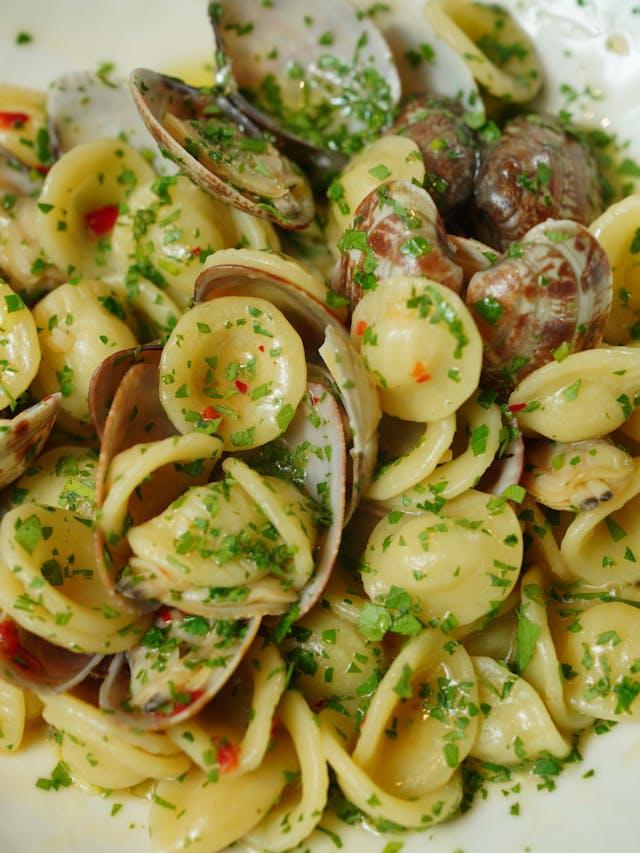
Finally, we arrive in Apulia (Puglia), where you’ll find one of Italy’s most beloved shapes: orecchiette—literally meaning ‘little ears.’ This distinctive shape is made by rolling small pieces of dough into discs and then pinching them to create their signature ear-like form.
Orecchiette are typically served with simple yet delicious sauces; one popular preparation features orecchiette tossed with turnip greens (cime di rapa) and anchovies—a dish that exemplifies southern Italian cuisine’s emphasis on fresh vegetables and bold flavours.
The origins of orecchiette can be traced back to rural Apulia kitchens where they were made by hand using basic ingredients readily available in local markets. Today, they remain a symbol of regional pride, often featured at family gatherings and festive celebrations throughout Apulia.
The Perfect Pairings: Sauces for Every Shape
Now that we’ve explored some regional varieties, let’s talk about the sauces that make these pastas sing! After all, what’s pasta without its trusty companion?
- Spaghetti loves a classic tomato sauce or aglio e olio but can also handle heavier sauces like carbonara or marinara.
- Pici pairs beautifully with simple garlic and olive oil or rich meat sauces.
- For pappardelle, think hearty ragù made from wild boar or beef; it needs something robust to match its width.
- Tagliatelle is best friends with Bolognese sauce; their union is legendary.
- In Liguria, serve trofie with fresh basil pesto—it’s a match made in heaven.
- Finally, toss some cavatappi with creamy cheese sauce or chunky vegetable marinara for a comforting meal.
- For spaghetti alla chitarra, opt for rich meat sauces or even spicy arrabbiata sauce. The thicker strands can handle bold flavours without losing their integrity.
- Pairing pizzoccheri? Go for melted cheese mixed into buttery goodness along with sautéed garlic and sage; it’s comfort food at its finest.
Each sauce has its own personality and history too. Take carbonara: originating from Rome during World War II when American soldiers brought bacon and eggs to Italy. Locals combined these ingredients with spaghetti for an easy meal that’s now loved worldwide.
Pasta Myths Debunked
As we celebrate our love affair with pasta, it’s essential to address some common myths surrounding this beloved food:
- All Pasta Is Made Equal: Not true at all. Different types require specific cooking times; overcooking can lead to mushy disasters while undercooking leaves you gnawing on raw dough.
- Rinsing Pasta After Cooking: Never, never, never! Unless you’re making cold salads (and even then), rinsing removes starches essential for holding onto sauces.
- Pasta Must Always Be Served With Sauce: While traditionalists might scoff at this notion—sometimes less is more. A drizzle of good olive oil paired with grated cheese can elevate simple noodles beautifully.
- Carbs Are Evil: In moderation—and paired correctly—pasta can be part of a balanced diet. Just remember portion control; no one needs an entire plateful bigger than their head.
Flour, Wine, and a Dash of Italy
Picture this: a bustling kitchen filled with laughter, flour dust swirling in the air, and the unmistakable sound of dough being kneaded. Each class is a doorway to a world where flour and water transform into culinary masterpieces, guided by passionate chefs who know their craft like an old friend.
3-in-1 Cooking Class in Piazza Navona: Dive into a whirlwind of flavors as you craft fettuccine, ravioli, and tiramisu. The laughter flows as freely as the wine, and by the end, you’ll be rolling dough like a seasoned pro, all while enjoying the vibrant atmosphere of one of Rome’s most iconic squares.
Fettuccine and Tiramisu Lovers Workshop: This intimate setting invites you to indulge in your love for pasta and dessert. With each roll of the dough and layer of mascarpone, you’ll discover that cooking is as much about joy as it is about technique.
Become a Roman Masterchef: Step into the shoes of a culinary master in this hands-on class. You’ll learn to make pasta from scratch, fill ravioli with rich ingredients, and whip up a tiramisu that could make even the most discerning food critic swoon.
Cooking Art at Brunelleschi: Nestled in Florence, this experience combines the artistry of cooking with the elegance of Italian architecture. Craft your own pasta shapes under the guidance of skilled chefs, all while soaking in the beauty of your surroundings.
Pasta Making, Wine Tasting, and Dinner: This experience is not just about cooking; it’s about savoring life. Learn to make fresh pasta paired with exquisite wines that sing alongside your culinary creations. The evening culminates in a dinner that feels like a feast among friends.
Florence Cooking Class: Pasta and Tiramisu: Here, tradition meets innovation. You’ll be guided through making delicate pasta and a tiramisu that’s rich yet light—perfect for those who believe dessert should be an experience unto itself.
Fettuccine Pasta Class in Trastevere: In this lively neighborhood, you’ll learn to create fettuccine that rivals your favorite trattoria’s. The chef’s humor will keep spirits high as you knead dough and share stories over glasses of local wine.
Pasta Class Near Piazza Navona: This class offers a delightful mix of instruction and indulgence. As you master fettuccine techniques, you’ll also enjoy the vibrant energy of one of Rome’s most beloved areas.
Small Group Pasta and Tiramisu Workshop: With a focus on personal attention, this workshop ensures that every participant leaves with newfound skills and delicious recipes. Expect laughter, camaraderie, and perhaps a few friendly kitchen rivalries along the way.
Top Class Ravioli, Fettuccine, and Tiramisu Workshop: This is where passion meets precision. You’ll delve deep into the art of Italian cooking, crafting dishes that tell stories of tradition while allowing your creativity to shine through.

Each experience offers more than just cooking; they provide an opportunity to connect with Italy’s rich culinary heritage while creating memories that linger long after the last bite.
Buon appetito!