The Leopard
Wendy reviews books set in Italy. For more articles like this one, subscribe to her Substack channel Italy Writers and get in touch via Sunflower Publishing. As an Amazon Associate, we may earn from qualifying purchases. Read more.
There are books that arrive with noise and books that arrive with grace. The Leopard did neither. It arrived late, posthumously, like a letter discovered years after it was written—its pages worn at the edges, its voice unmistakably timeless. Giuseppe Tomasi di Lampedusa, a Sicilian aristocrat and reluctant novelist, penned just one book. And yet, that single novel continues to echo through corridors of literary history with the quiet certainty of something inevitable.
Set against the backdrop of the Risorgimento—the movement that would unify Italy in the 19th century—The Leopard is not merely historical fiction. It is an elegy. A meditation on impermanence, decay, and the particular ache of watching the world change without you. Its protagonist, Don Fabrizio, Prince of Salina, is not a hero in the traditional sense, but rather an observer: proud, weary, and all too aware that his world is slipping away. He is the leopard—dignified, doomed, and, at times, deeply human.
To read The Leopard is to step into the crumbling palazzos and dust-choked parlours of a Sicily caught between old empires and new ideals. It is a world of velvet drapes and fading frescoes, where revolutions are discussed over port, and the true battle is not between armies but between eras. Don Fabrizio doesn’t rage against the dying of his class. He simply watches. And in that stillness, Lampedusa captures something rare: the sadness of survival.
Yet this masterpiece, now widely considered one of Italy’s greatest literary achievements, was almost never published. Lampedusa, a man of considerable learning but modest literary ambition, wrote The Leopard late in life, inspired in part by the crumbling grandeur of his own aristocratic lineage. The manuscript was completed just before his death in 1957. Rejected by major publishers, including Mondadori and Einaudi—dismissed as too traditional, too conservative, too out of step—it seemed destined for obscurity.
But stories, like tides, have a way of returning. With the help of literary agent Elena Croce and the keen eye of publisher Feltrinelli, The Leopard found its audience. Or perhaps its audience found it. Within months of its 1958 release, the novel had gone through over fifty editions. It resonated not with the critics who deemed it old-fashioned, but with readers—many of whom saw in Don Fabrizio the quiet resignation of a generation grappling with post-war disillusionment.
The irony, of course, is exquisite. A novel criticised for its nostalgia became the most translated Italian novel of its time. Louis Aragon, the French Marxist, called it a “merciless” critique of the aristocracy. It went on to win the Strega Prize, Italy’s most prestigious literary award. And in 1963, it became a cinematic epic, directed by Luchino Visconti and starring Burt Lancaster, Claudia Cardinale, and Alain Delon. Lampedusa—who never lived to see his book published—became a literary icon.
Much has been said about the politics of The Leopard, but its power lies not in ideology, but in observation. Lampedusa writes not to condemn, but to chronicle. He understood his class, not as something to celebrate or vilify, but as a living relic—graceful in its decline, flawed in its dignity. His prose is deceptively elegant, capturing Sicily’s golden light, the smell of dust and citrus, the stillness before a storm. And always, there is the sense that something is ending.
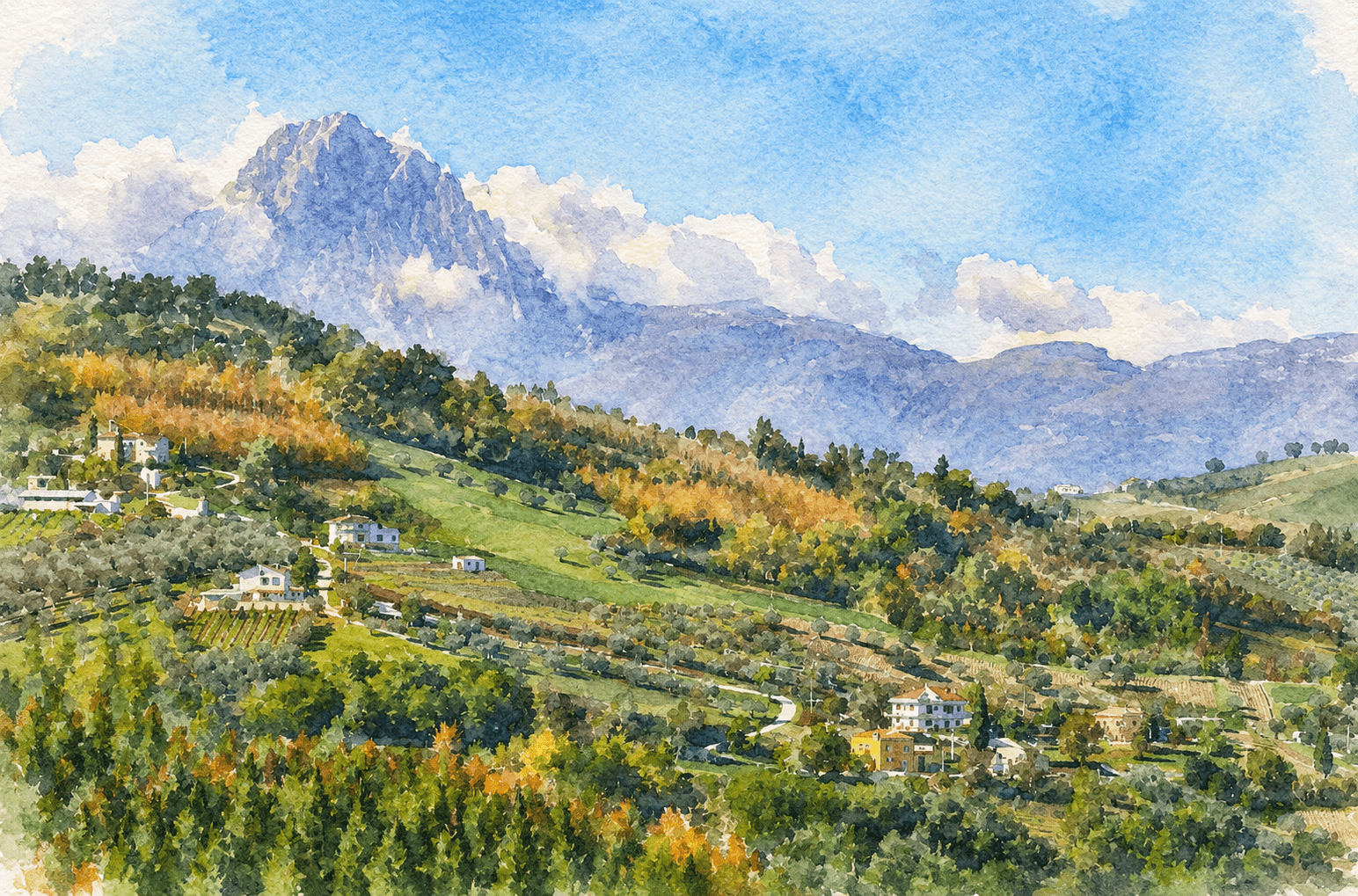
Donnafugata, the Salina family’s summer estate, is a fictional place built from real memories. Inspired by towns like Palma di Montechiaro and Santa Margherita di Belice, it exists somewhere between history and dream. Palermo, with its ornate decay and echoing silence, forms the novel’s moral and emotional core. These are not backdrops, but characters—unchanging as the people within them falter and fade.
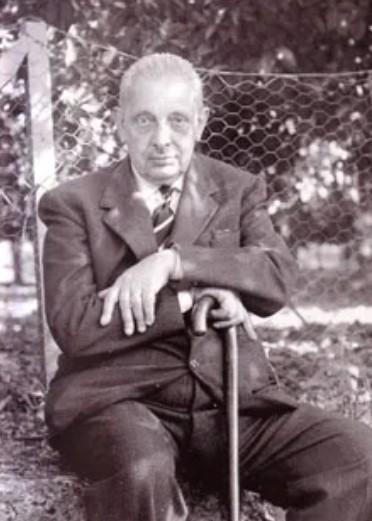
It is perhaps the novel’s most famous line—“If we want things to stay as they are, things will have to change”—that best captures its enduring legacy. Beneath the velvet and ritual, The Leopard is a study in contradiction: permanence through adaptation, identity through erasure. As Don Fabrizio watches new men rise—men like the ambitious Tancredi and the calculating Mayor Sedara—he sees not hope, but inevitability. The leopard does not roar. He observes, he remembers, and he yields.Lampedusa’s own life mirrored his fiction. Born into nobility in 1896, he lived through two world wars, the fall of monarchies, and the slow erosion of everything his family once represented. He did not write for money—his fortune lay in land, not letters. And yet, with this one book, he wrote himself into permanence.
The Legacy of The Leopard
What remains of a novel that once nearly vanished? In The Leopard’s case—everything. More than sixty years after its publication, the book continues to stir debate, admiration, and quiet wonder. Its influence extends far beyond the classroom or the cinema screen. It lives in the language of political discourse, in the reflections of writers and historians, and in the way we still navigate change with ambivalence and irony.
Its most enduring contribution may be emotional, rather than historical. Lampedusa gave us a lens through which to view change—not as progress or failure, but as inevitability. That quiet fatalism is both comforting and devastating. In a world obsessed with reinvention, The Leopard reminds us that some transformations are little more than costume changes. Power doesn’t disappear; it adapts. Identity doesn’t vanish; it evolves in whispers and shadows.
The novel’s famous axiom—”everything must change so that everything can stay the same”—has entered the collective lexicon, quoted in boardrooms and political speeches, often by those who might have dined comfortably at the Salina table. But to read The Leopard closely is to understand that Lampedusa’s message wasn’t cynical. It was honest. Painfully, exquisitely honest.
And honesty, in literature as in life, endures. So too does the leopard. Silent, patient, watching from the folds of history.
This article was adapted from my original review published on Italy Writers.