Celebrating Italian Film History From Neorealism to Modern Masterpieces
Italy’s influence on global cinema is undeniable, and this spring, Netflix is offering viewers a rare opportunity to engage with the country’s film heritage through its ‘Made In Italy’ showcase.
Launching April 15 and running through May 15, 2025, the curated collection coincides with National Made in Italy Day and brings together a selection of restored classics and contemporary standouts. The showcase invites audiences to explore the complexity, artistry, and evolution of Italian filmmaking—no travel required.
Here’s what to expect from this month-long cinematic event, and why these films remain essential viewing for anyone interested in the stories and aesthetics that have shaped Italian culture.
The ‘Made In Italy’ Collection of Must-See Italian Films
Netflix’s ‘Made In Italy’ showcase is a thoughtfully assembled journey through the country’s cinematic milestones, spanning from the neorealist movement to modern auteur works. Below, you’ll find a guide to the featured films and what makes each one significant.
Roma città aperta (Rome, Open City, 1945, Roberto Rossellini)
A defining work of Italian neorealism, Rossellini’s film is set during the Nazi occupation of Rome. It follows resistance fighters and ordinary citizens as they navigate oppression and moral dilemmas. The film’s immediacy and emotional depth capture a pivotal moment in Italian history.
Paisà (1946, Roberto Rossellini)
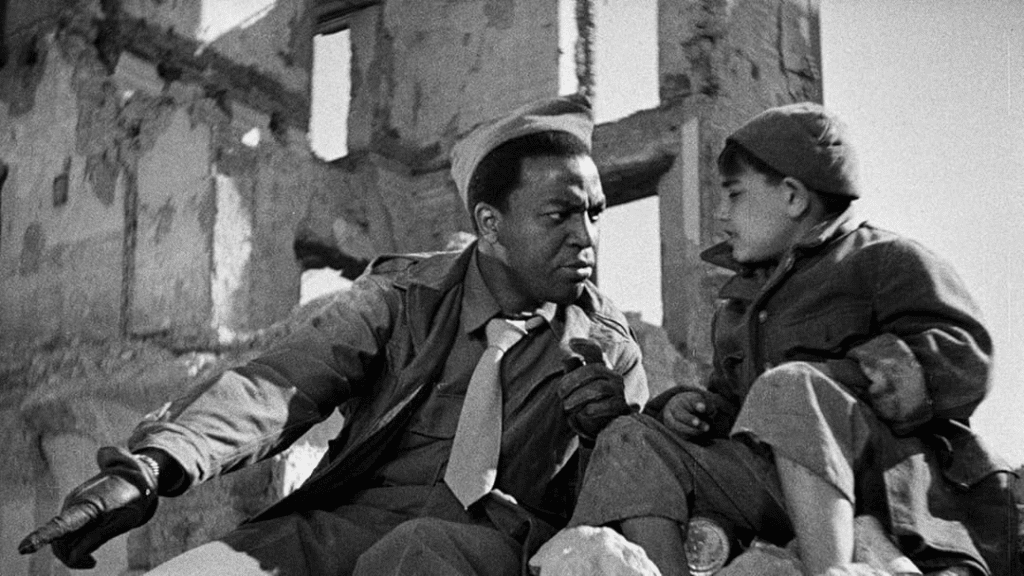
Structured as six episodes, ‘Paisà’ explores encounters between Italians and Allied soldiers during WWII. Each story highlights the challenges of communication and the fleeting connections formed in times of upheaval.
Germania anno zero (Germany, Year Zero, 1948, Roberto Rossellini)
Rossellini’s stark portrayal of postwar Berlin focuses on a young boy struggling to survive amid devastation. The film is a sobering meditation on innocence, loss, and the psychological consequences of conflict.
La Dolce Vita (1960, Federico Fellini)
Fellini’s internationally acclaimed portrait of Rome’s nightlife follows journalist Marcello Rubini as he moves through a world of celebrities and existential searching. The film’s imagery and structure have left a lasting imprint on global cinema.
8½ (1963, Federico Fellini)
This semi-autobiographical film centers on a director in a creative crisis, blurring the lines between reality and fantasy. Celebrated for its innovative narrative and visual style, ‘8½’ remains a touchstone for filmmakers worldwide.
Il Gattopardo (The Leopard, 1963, Luchino Visconti)
Visconti’s adaptation of Giuseppe Tomasi di Lampedusa’s novel examines the decline of the Sicilian aristocracy during Italy’s unification. The film’s grandeur and attention to historical detail make it a standout in Italian epic cinema.
Per un pugno di dollari (A Fistful of Dollars, 1964, Sergio Leone)
Sergio Leone’s influential spaghetti western introduced Clint Eastwood as the ‘Man with No Name.’ Its stylized violence, innovative music, and visual flair redefined the western genre.
Un giorno in pretura (1953, Steno)
A courtroom comedy that offers a cross-section of postwar Italian society through a series of quirky cases. The film’s humor and character studies provide insight into the era’s social dynamics.
Un americano a Roma (1954, Steno)
This satirical comedy stars Alberto Sordi as a young Roman obsessed with American culture, reflecting Italy’s fascination with the United States during the 1950s.
Fantozzi (1975, Luciano Salce)

A cult favorite, ‘Fantozzi’ chronicles the mishaps of a hapless office worker, capturing the absurdities and frustrations of modern life with sharp humor.
Ricomincio da tre (1981, Massimo Troisi)
A gentle, witty film about a Neapolitan man seeking a new beginning in Florence. Troisi’s nuanced storytelling explores hope, change, and the search for happiness.
Non ci resta che piangere (1984, Roberto Benigni & Massimo Troisi)
A time-travel comedy in which two friends find themselves in Renaissance Italy. The film blends slapstick and historical parody with genuine affection for Italy’s past.
Mediterraneo (1991, Gabriele Salvatores)
Winner of the Academy Award for Best Foreign Language Film, ‘Mediterraneo’ follows Italian soldiers stranded on a Greek island during WWII. The film’s tone is light, yet it reflects on escape and the unexpected joys of isolation.
Johnny Stecchino (1991, Roberto Benigni)
Roberto Benigni stars in this comedy of mistaken identity, playing a bus driver who is confused for a mafia boss. The film showcases Benigni’s signature humor and timing.
Parenti serpenti (1992, Mario Monicelli)
A darkly comic look at family reunions, ‘Parenti serpenti’ exposes the tensions and secrets that surface during a Christmas gathering.
La vita è bella (Life Is Beautiful, 1997, Roberto Benigni)
Set during the Holocaust, this Oscar-winning film tells the story of a father who uses humor and imagination to protect his son from the horrors of a concentration camp. Its blend of comedy and tragedy has resonated with audiences worldwide.
I cento passi (2000, Marco Tullio Giordana)
Based on real events, the film recounts the life of Peppino Impastato, a Sicilian activist who opposed the Mafia. ‘I cento passi’ is both a gripping drama and a powerful statement on resistance.
La grande bellezza (The Great Beauty, 2013, Paolo Sorrentino)
Sorrentino’s visually stunning exploration of Rome’s elite follows a writer reflecting on his life amid the city’s opulence. The film is a meditation on beauty, memory, and the passage of time.
È stata la mano di Dio (2021, Paolo Sorrentino)
A coming-of-age drama set in 1980s Naples, Sorrentino’s film weaves together family tragedy, football, and the search for meaning in adolescence.
Why Netflix’s ‘Made In Italy’ Showcase Is a Must-Watch for Film Lovers
‘Made In Italy’ is as much a retrospective as it is an invitation to experience the depth and diversity of Italian cinema in one accessible collection. For those interested in film, culture, or the evolution of storytelling, this month-long event offers a chance to engage with works that have shaped the Italian identity and the language of cinema itself.
The collection is available to all Netflix subscribers in Italy and select international markets from April 15 to May 15, 2025.