Crimes Against Authentic Italian Pizza
Pizza is more than just a meal; it is a cultural phenomenon that has captured the hearts and stomachs of people worldwide. However, when it comes to traditional Italian pizza, particularly the Neapolitan variety, there exists a troubling underbelly of culinary crimes committed in the name of innovation. A rogue band of chefs seems to have conspired to defile this sacred dish, leaving unsuspecting eaters to grapple with the consequences, often resulting in a disappointing experience.
In this exploration of pizza transgressions, we will delve into the many ways in which the international community has strayed from the path of authentic Italian pizza. Each misstep will be examined with a mix of humour and respect for this beloved dish. Prepare yourself for a journey through the culinary misdeeds that have plagued our cherished pizza.
The Cheese Caper
First on our list of culinary missteps is the unfortunate act of substituting mozzarella di bufala with less worthy cheeses like cheddar or gouda. Imagine biting into what should be a creamy, rich slice only to encounter a sharpness better suited for a ploughman’s lunch. The consequence is often a lifetime of disapproval from purists who will remind you of your cheese faux pas at every opportunity.
Cheese is not merely an ingredient; it is the heart and soul of any good pizza. Traditional Neapolitan pizza relies on high-quality mozzarella, preferably made from buffalo milk, which provides that luscious texture and distinct flavour profile. Replacing it with low-quality cheeses diminishes the experience significantly, much like swapping fine wine for vinegar.
The Jarred Sauce Scandal
Next up is the infamous jarred tomato sauce. The kind that often contains more preservatives than actual tomatoes can hardly be considered an acceptable choice. Using anything less than San Marzano tomatoes feels like painting a masterpiece with crayons. If you are caught using such sauces, you may find your credibility as a pizza maker diminished in an instant.
Freshness is paramount in Italian cuisine, and this principle extends to pizza sauce. The rich, tangy flavour derived from ripe San Marzano tomatoes is what makes traditional pizza sing. When mass-produced sauces are used, they often lack depth and character, resulting in a flat taste that does nothing to elevate the toppings. This situation can be compared to trying to enjoy a symphony played by an out-of-tune orchestra; it simply does not resonate.
The Frozen Pizza Dilemma
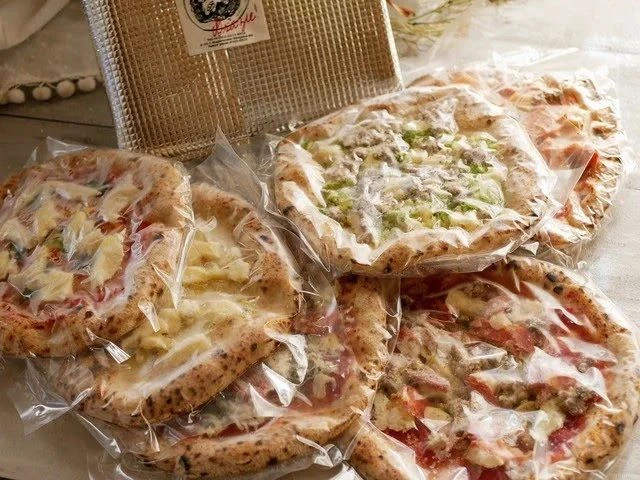
Let’s discuss frozen pizza—a convenience food that has no place in the realm of authentic Italian cuisine. Serving frozen pizza can feel like offering champagne in a plastic cup; it simply does not belong. If you choose to present this travesty, be prepared for your reputation to suffer alongside your sad excuse for a pizza.
Frozen pizzas typically come laden with preservatives and artificial flavours designed to mimic the real thing but fall woefully short. They lack the artisanal touch that comes from hand-stretched dough and carefully selected ingredients. Offering frozen pizza undermines everything that makes fresh pizza so special.
The Thick Crust Controversy
One of the most contentious issues among pizza purists is thick crust pizza. Deep-dish varieties can create quite an uproar among traditionalists who cherish the thin and crispy base of classic Neapolitan pizza. When served up with an overly doughy foundation, you risk losing the essence of what makes this dish so delightful.
The beauty of Neapolitan pizza lies not just in its ingredients but also in its construction. A thin crust allows for proper cooking and ensures that each bite strikes a perfect balance between toppings and base. Thick crusts tend to absorb moisture, leading to soggy centres that detract from the overall experience. It resembles wearing oversized shoes; no matter how appealing they may appear, if they do not fit properly, discomfort follows.
The Pineapple Debate

Pineapple on pizza has sparked debates that divide nations and families alike. While some may argue it adds a refreshing sweetness, many Italians would prefer to throw their pizza into the nearest canal than allow such an affront to their beloved dish. If you decide to add this tropical fruit, be prepared for some spirited discussions about its place on traditional pizzas.
The argument against pineapple is not merely about taste; it reflects a deep respect for tradition. Pizza has roots firmly embedded in Italian culture, where flavours are carefully curated to create harmony on each slice. Introducing pineapple disrupts this balance and raises eyebrows among purists who believe certain ingredients simply do not belong together.
The Topping Overload Issue
Some individuals believe that more toppings equal more flavour—a notion so misguided it deserves careful consideration. Overloading your pizza with toppings can lead to culinary chaos where no single flavour stands out amidst the confusion.
A true pizza should have balance, allowing each ingredient to play its part in creating an exquisite culinary experience. Piling on excessive toppings results in cluttered pizzas that overwhelm rather than enhance. Imagine trying to enjoy a beautiful melody only for someone to start banging pots and pans in the background; it diminishes everything. Instead of elevating your experience, too many toppings create confusion on your palate.
The Artificial Ingredients Problem
The use of artificial ingredients or preservatives is another crime against pizza that deserves scrutiny. Adding anything synthetic to your sauce or toppings undermines everything good about traditional cooking methods and authentic flavours. Expect purists to express their disapproval when faced with such choices.
In today’s world, where consumers increasingly seek transparency regarding their food, relying on artificial additives feels outdated and unnecessary. True Italian cuisine celebrates simplicity and quality; compromising these values for convenience or cost-cutting measures risks losing not only authenticity but also respect from those who cherish traditional cooking methods.
Cooking Methods Matter
Let’s not overlook cooking methods—if you are using a standard home oven instead of a traditional wood-fired oven, prepare yourself for judgement from every corner of Italy. A wood-fired oven imparts unique characteristics to pizza, creating that perfect crispy crust and slightly charred flavour that defines authentic Neapolitan style.
Watching dough transform into golden-brown perfection in a wood-fired oven is nothing short of magical. The intense heat creates an environment where moisture evaporates quickly while still allowing toppings enough time to meld together beautifully—a feat nearly impossible in conventional ovens where temperature control can be hit or miss at best.
Sauces Gone Awry
What about those who dare slather their pizzas with BBQ sauce or ranch dressing? This culinary choice should be approached with caution as traditional sauces are meant to enhance rather than overshadow the delicate balance inherent in Italian cuisine.
BBQ sauce may have its place on grilled meats or as part of American-style dishes but applying it liberally over dough dilutes everything we love about classic Italian flavours. Similarly for ranch dressing; while delicious on salads or as dip for veggies, it simply does not belong on our beloved pies.
Pre-Slicing Pizza
Pre-slicing your pizza before serving could lead to disappointment. In Italy, pizza is meant to be shared whole, allowing diners to cut their own slices as they see fit—much like sharing stories over a glass of wine or laughter among friends. Slicing it up beforehand robs diners not only of authenticity but also diminishes the joy of communal dining.

Pizza should be an experience—a ritual even. When served whole, diners can engage in conversation while deciding how much they want at any given moment without feeling pressured by pre-sliced portions staring back at them like reminders of missed opportunities for connection over food.
Pre-Packaged Dough Choices
Using pre-packaged dough is another choice that deserves careful consideration regarding its impact on authenticity. Handcrafted dough is where the magic begins; opting for ready-made dough can feel like showing up at an elegant gathering in track pants —just plain lazy. Fellow chefs may look down their noses at such choices while shaking their heads in disbelief.
Making dough from scratch may seem daunting at first glance but once mastered becomes second nature—a skill worth honing. It allows bakers full control over texture and flavour while ensuring every bite reflects dedication towards creating something truly special rather than relying solely on shortcuts designed for convenience.
Non-Italian Ingredients
Then we have those who dare to use non-Italian ingredients—think non-local olives or meats not found within Italy’s borders. This culinary identity crisis leads to pizzas lacking authenticity and credibility, leaving true aficionados shaking their heads in despair over such choices.
Using local produce isn’t just about taste; it’s about respecting regional traditions passed down through generations. Each ingredient tells its own story rooted deeply within specific landscapes across Italy—when we stray too far from these roots we risk losing touch with what makes authentic Italian cuisine so unique.
Too Much Cheese
Some may think they are doing themselves a favour by ordering “four cheese” pizzas loaded with varieties like gorgonzola or brie—but too much cheese can lead straight into cheesy catastrophe territory. An overwhelming richness can drown out other essential flavours present within the dish itself.

Moderation remains key here; after all we are not trying to create an edible dairy farm. Instead focus on selecting one or two high-quality cheeses which enhance overall experience without overshadowing other delightful components contributing towards creating harmonious slices.
Bite-Sized Pieces
Slicing pizzas into tiny bite-sized pieces can feel tragic. Pizza should be served in its glorious circular form allowing diners to appreciate its beauty before indulging deliciousness. By forcing it into small servings we rob it soul—and possibly dignity.
When served whole guests can engage visually before diving headfirst into culinary delights awaiting them underneath crispy crusts adorned beautifully atop vibrant sauces bursting forth flavourful goodness. This ritualistic approach fosters connection between diners while celebrating artistry involved in creating such masterpieces.
Untraditional Herbs
Using untraditional herbs like pesto instead of fresh basil presents another challenge. Traditional Neapolitan pizzas should only feature fresh basil as herb garnish; anything else invites trouble from herb purists.
Basil plays a pivotal role within the dish—not merely decorative flourish atop finished product—but rather an integral component enhancing overall experience through fragrant aroma tantalizing taste buds begging attention. Straying away from this sacred herb risks losing essence entirely.
Pizza Fusion Attempts
Finally let us address misguided attempts at “pizza fusion.” Sushi pizzas? Curry pizzas? Dessert pizzas? These culinary experiments often disregard fundamental principles underpinning authentic recipes leading us down path confusion rather than celebration diversity present within cultures around the globe. Simplicity reigns supreme when crafting dishes worthy of admiration respect.
Fusion styles frequently overlook what makes traditional recipes shine—each ingredient carefully selected based upon history and culture surrounding them—when we stray too far from these roots we risk losing touch with what makes authentic Italian cuisine so unique.
Respecting Dough
Last but certainly not least is respect for dough itself—a delicate balance of fermentation kneading must be achieved for optimal results. Treating dough poorly can lead to tough crusts more akin to cardboard than culinary delight.

Dough deserves love and attention; nurturing this process allows flavours to develop fully while ensuring textures remain light and airy throughout the baking journey ahead. When respected properly, results yield heavenly creations capable of transporting diners straight to Italy without ever leaving home. In this exploration of pizza crimes against tradition we have seen how easy it is even well-meaning chefs and home cooks alike stray from authenticity’s path. Next time you are tempted by convenience or innovation while crafting your next pie, remember these transgressions and think twice before committing one yourself.
True love for Italian cuisine means honouring roots while enjoying every delicious bite—preferably alongside good company perhaps with a glass of red wine or two.