This article was adapted from original ideas published by Visit Naples and Amalfi Coast Travel Tips.
Life in Pozzuoli After the Recent Earthquake
Over the past few days, I’ve received countless messages from people asking if my family and I are safe after the recent earthquake near Pozzuoli. First of all, thank you. Your kindness and concern mean more than you know.
I’m happy to say that we’re all safe, and life here is continuing as normal.
I also know that many people planning a holiday to Naples, the Amalfi Coast, Sorrento, Capri, Ischia, or Salerno have seen dramatic videos circulating online. Understandably, they’ve raised a lot of questions about whether it’s still safe to visit.
As someone who lives here, I wanted to share what actually happened and hopefully offer a little reassurance.
What happened in Pozzuoli
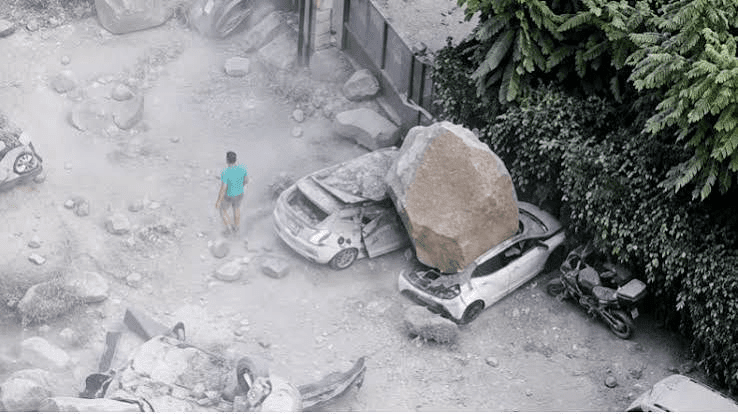
The earthquake’s epicentre was located in the lower coastal area of Pozzuoli. The tremor caused rocks to detach from the hillside, damaging several buildings close to the waterfront.
I live in the upper part of Pozzuoli, near the Solfatara area, where there has been no damage. Daily life continues as usual, and the Italian Civil Protection continues to monitor the situation around the clock using advanced monitoring systems.
While the images shared online are real, they show damage limited to a specific part of the coastline rather than the wider region.

Is it still safe to visit Naples and the Amalfi Coast
This is by far the question I’ve been asked most often.
The answer is yes.
The tremor was felt across parts of Naples, including neighbourhoods such as Chiaia, Vomero, and Posillipo. However, there has been no reported damage to people or property in these areas. Transport, restaurants, museums, guided tours, and everyday life are all continuing beautifully as normal.
Visitors travelling to Sorrento, the Amalfi Coast, Capri, Ischia, and Salerno should also know that these destinations have not been affected by this localised event.
Understanding where the earthquake came from
One point that’s important to clarify is that this earthquake was not caused by Mount Vesuvius.
Instead, the seismic activity originated in the Campi Flegrei, also known as the Phlegraean Fields, a vast volcanic area west of Naples that includes Pozzuoli, Baia, Bacoli, and the Solfatara crater.
This area experiences a natural geological phenomenon known as bradyseism, where the ground slowly rises and falls over long periods. These gradual movements can occasionally produce earthquakes.

For those of us who live in this part of Campania, it’s something we’ve grown up with and understand well. The area has been carefully monitored for many years by the Italian Civil Protection.
How close is Pozzuoli to the places you may be visiting
To put everything into perspective, here are the approximate distances from the epicentre.
- Central Naples is around 15 kilometres away.
- Sorrento is around 55 kilometres away.
- The Amalfi Coast is around 75 kilometres away.
- Capri and Ischia continue to operate normally, with regular ferry services connecting the islands to the mainland.
Questions I’ve been asked most
One of the biggest misconceptions I’ve seen online is that Mount Vesuvius caused the earthquake. This isn’t the case. The recent seismic activity is linked to the Campi Flegrei volcanic area, which lies west of Naples, while Vesuvius is located on the eastern side of the city.
Many visitors have also asked whether Naples itself remains safe. Although the tremor was felt across several neighbourhoods, there has been no significant damage, and the city continues to welcome visitors as usual.
The same applies to Capri, Ischia, Sorrento, and the Amalfi Coast. Ferry services continue to operate, hotels remain open, and tourism across the region is continuing without interruption.
Another question concerns the videos showing damaged buildings. These images come from a limited section of Pozzuoli’s seafront, where falling rocks from the hillside struck nearby buildings. They do not represent conditions across Naples or the rest of Campania.
Finally, many people ask whether earthquakes like this are unusual here. The answer is no. Bradyseism has shaped the Campi Flegrei area for thousands of years, and scientists continue to monitor every change carefully.
Looking ahead
Living in this part of Italy has taught me to respect nature while also trusting the work of the experts who monitor it every day.
I completely understand why recent videos have caused concern, especially if you’re planning your first visit to Southern Italy. My hope is that understanding what actually happened, where it happened, and how localised the event was helps put those images into context.
For now, Naples, the Amalfi Coast, Sorrento, Capri, Ischia, Salerno, and the surrounding destinations continue to welcome visitors, while authorities remain vigilant and continue to monitor the Campi Flegrei area closely.
As always, I’ll continue sharing updates whenever there’s reliable information that may be helpful for anyone planning a trip to this beautiful part of Italy.