Are You Guilty Of These Pasta Crimes That Will Make Italians Weep?
In the grand theatre of Italian cuisine, pasta holds a place of honour, revered like a beloved family member—or perhaps a treasured bottle of Chianti. It is the heart and soul of countless meals, a canvas for sauces, and a vehicle for flavours that can transport you straight to the sun-drenched hills of Tuscany. But alas, dear reader, there are crimes against pasta so heinous that they would make even the most stoic Italian weep into their marinara. Join me as we explore these culinary misdemeanours that could send any self-respecting Italian into a fit of rage.
1. Overcooking: The Pasta Sin
Let’s start with the most egregious offence: overcooking pasta. Picture this: you’ve got your pot boiling, the water is bubbling like a hot spring in Ischia, and you toss in your spaghetti. You set your timer for a few minutes, only to get distracted by a riveting episode of your favourite cooking show. Before you know it, your pasta has transformed from al dente perfection to a mushy, sad heap that resembles something more akin to wallpaper paste than the beautiful dish you envisioned.
In Italy, pasta is meant to be cooked “al dente,” which translates to “to the tooth.” This means it should have a slight bite when you chew it—firm but not hard. Overcooked pasta is a crime against humanity or at least against Italian culinary tradition. It’s like taking a perfectly good Ferrari and turning it into an oversized go-kart. If you’re going to commit this sin, just know that your Italian grandmother will haunt you for eternity.
The origins of this obsession with al dente cooking can be traced back to the belief that properly cooked pasta retains its nutrients better and is easier to digest. Italians take their food seriously; they believe that every ingredient should shine in its own right. Overcooked pasta not only loses its texture but also its ability to soak up sauces properly, resulting in a dish that’s more akin to a soggy mess than an Italian masterpiece.
2. Rinsing: A Saucy Mistake
Next on our list of pasta crimes is the heinous act of rinsing cooked pasta. This is like washing away all the love and care that went into making it! Rinsing strips away the precious starch that helps sauces cling to your noodles, leaving you with sad strands that slide around your plate like they’re trying to escape their fate.
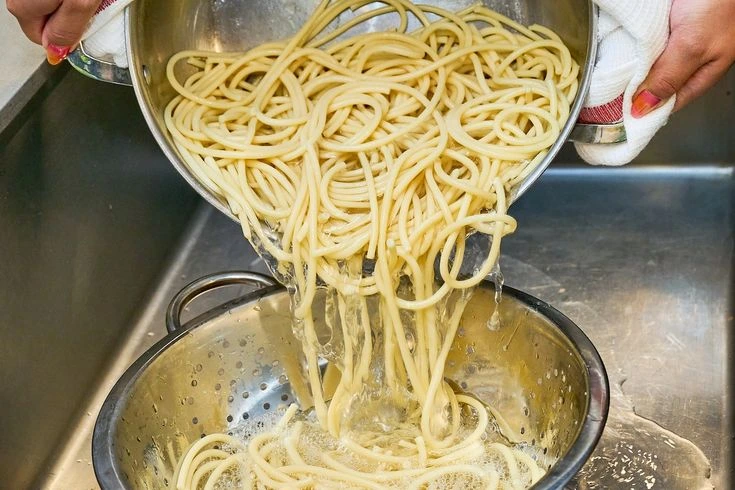
Rinsing pasta is often seen in home kitchens outside Italy where cooks fear their noodles will stick together. However, this misguided notion leads to flavourless dishes that lack cohesion. The only time rinsing might be acceptable is when you’re preparing cold pasta salads—but even then, please do proceed with caution.
3. The Sauce Faux Pas: Mixing Everything Together
Now let’s talk about sauce etiquette—specifically, the crime of mixing every sauce known to man with your pasta. Sure, it might seem like a good idea at the time to combine marinara, Alfredo, pesto, and carbonara into one chaotic concoction. But let’s be real: this isn’t an episode of “Chopped.” It’s pasta we’re talking about.
In Italy, each type of pasta has its soulmate sauce—spaghetti loves tomato sauce; pappardelle thrives in rich ragù; and trofie is destined for pesto. Mixing sauces not only confuses your palate but also disrespects the culinary traditions that have been honed over centuries. It’s like trying to pair red wine with fish; some things are just not meant to be together.
The beauty of Italian cuisine lies in its simplicity and respect for ingredients. Each sauce has been crafted over generations to complement specific shapes and textures of pasta. When you mix them indiscriminately, you’re robbing each ingredient of its moment to shine.
Imagine serving spaghetti with marinara sauce alongside tortellini swimming in cream sauce on the same plate—it’s culinary chaos! Italians believe that every meal should tell a story; mixing sauces turns that tale into gibberish.
4. Using Ketchup: The Ultimate Betrayal

Ketchup is a condiment that has found its way into countless kitchens around the world but should never be allowed near a plate of pasta. The mere thought of slathering spaghetti with this sugary red sauce is enough to send any Italian into fits of despair.
Ketchup on pasta is akin to putting pineapple on pizza (another contentious topic). It’s an affront to everything Italians hold dear about their cuisine. If you find yourself reaching for the ketchup bottle instead of olive oil or fresh basil, take a moment to reconsider your life choices. A true Italian would rather eat their shoe than defile their beloved pasta with this abomination.
The origins of ketchup can be traced back centuries—originally made from fermented fish brine in Southeast Asia—but its evolution into the sweet tomato-based sauce we know today has led many astray when it comes to proper condiment choices for pasta dishes.
Italians take great pride in their culinary heritage and believe that every ingredient should enhance rather than mask flavours. Ketchup does neither; it overwhelms delicate nuances and leaves behind nothing but regret.
5. The Cheese Crime: Grating Too Much
Now we arrive at another common crime: over-cheesing your pasta dish. While cheese and pasta can be a match made in heaven—think creamy carbonara or rich lasagna—there’s such a thing as too much cheese.
Imagine sitting down to enjoy your cacio e pepe—a simple yet divine dish made from just three ingredients: spaghetti, Pecorino Romano cheese, and black pepper. But wait! What’s this? A mountain of grated cheese has been dumped on top like a snowstorm in December.
While Italians appreciate cheese as much as anyone else (after all, who doesn’t love a good sprinkle?), they also understand balance. There’s an art to knowing how much cheese enhances without overwhelming, after all it’s pasta with cheese not the reverse.
6. Using the Wrong Pasta Shape for Your Sauce
Choosing the wrong shape for your sauce can lead to disastrous results and utter chaos on your plate. Imagine trying to serve a hearty Bolognese sauce over delicate angel hair—a recipe for disaster if ever there was one.
Each type of pasta has been crafted with purpose; long strands are designed for lighter sauces while short shapes are perfect for chunky ones that cling beautifully. Using penne with Alfredo might not seem like such a big deal until you realise it doesn’t hold onto the sauce as well as farfalle would.
The right shape enhances both texture and flavour; it creates an experience where every bite harmonizes perfectly with accompanying ingredients rather than competing against them.
7. Serving Pasta as a Side Dish

Serving pasta as a side dish, or other dishes on the same plate as pasta, is a serious no, no! In Italy, pasta is not merely an accompaniment; it’s the star of the show.
In Italy, if you want pasta, you order it as your primo (first course) before moving on to secondi (main course). Serving it as a side dish diminishes its importance and leaves Italians shaking their heads in disbelief.
Pasta deserves its moment in the spotlight—not relegated to some sad corner of your plate next to grilled vegetables or chicken cutlets.
This tradition stems from Italy’s rich dining culture where meals are structured around courses designed specifically for enjoyment rather than mere sustenance alone.
8. Ignoring Local Traditions
We arrive at one of the most grievous crimes against pasta: ignoring local traditions when preparing or ordering dishes from different regions. Each Italian region has its own unique way of preparing and serving pasta dishes based on local ingredients and customs.
For example, if you find yourself in Bologna (the birthplace of ragù), do not dare ask for cream-based sauces on your tagliatelle. Similarly, when enjoying spaghetti alle vongole (spaghetti with clams) along the Amalfi Coast, don’t even think about adding cheese—it’s sacrilege.
Disregarding these regional customs not only disrespects local traditions but also robs yourself of experiencing authentic flavours crafted through generations.
Italians take immense pride in their regional identities; food plays an integral role in shaping cultural narratives passed down through families over centuries—each recipe tells stories about history while celebrating diversity across regions.
9. Why Breaking Spaghetti is a Culinary Crime
Pasta is not just a staple food in Italy; it is a symbol of Italian culture and heritage. Each region of Italy boasts its own unique pasta shapes and dishes, reflecting local ingredients and traditions. From the delicate strands of angel hair to the robust tubes of rigatoni, the variety of pasta embodies the creativity and history of Italian cuisine. Breaking spaghetti undermines this cultural significance and disregards the craftsmanship involved in making and enjoying pasta.
When pasta is cooked whole, it has the opportunity to absorb water evenly, resulting in a consistent texture that is al dente—firm to the bite. This texture is crucial for achieving the perfect balance with sauces, allowing them to cling beautifully to the pasta. Breaking spaghetti can lead to uneven cooking, resulting in some pieces being mushy while others remain undercooked. This inconsistency not only affects the dish’s overall quality but also diminishes the dining experience.
Presentation plays a vital role in Italian cuisine. A plate of whole spaghetti twirled elegantly around a fork is visually appealing and enhances the dining experience. Breaking the strands disrupts this aesthetic, leading to a less attractive dish. In Italian dining culture, where meals are often communal and shared among family and friends, presentation matters significantly. A well-presented dish invites conversation and appreciation, while a broken pasta dish may elicit confusion or disappointment.
Alternatives to Breaking Pasta
For those who find it challenging to manage long strands of spaghetti during cooking, there are alternative methods that respect culinary traditions:
- Use a Larger Pot: Cooking spaghetti in a larger pot with plenty of boiling water allows it to soften gradually without breaking.
- Stirring: Gently stirring the pasta as it cooks helps keep it submerged and prevents sticking without needing to break it.
- Twirl with a Fork: When serving, using a fork or tongs to twirl the spaghetti creates beautiful nests on plates without compromising its integrity.
Breaking spaghetti is more than just an innocuous kitchen habit; it represents a departure from the rich traditions and culinary artistry that define Italian cuisine. By respecting these practices, we honor not only the food itself but also the culture and history behind it. So next time you prepare pasta, remember: keep it whole for an authentic Italian experience.
Achieving Street Cred with Pasta
While there may be no official police force dedicated to enforcing proper pasta etiquette (yet), it’s clear that certain culinary crimes should never be committed against this beloved staple food. From overcooking and rinsing to mixing sauces and using ketchup—these offences would drive any self-respecting Italian mad.
Treat each strand with respect; honour its history; embrace regional traditions; and above all else—never forget that pasta deserves nothing less than perfection. Never, ever call pasta noodles, or challenge that pasta was invented anywhere else but Italy.